
Key Takeaways
- Planning ahead makes it easier to execute a solo move and ensures rental trucks and storage units are available.
- Decluttering is a key first step before moving to a new space.
- Avoid common mistakes, such as procrastinating, neglecting decluttering, or underestimating the time and effort it takes to move.
- If you need a storage unit for items between moves, Storage Hub has available units in several states.
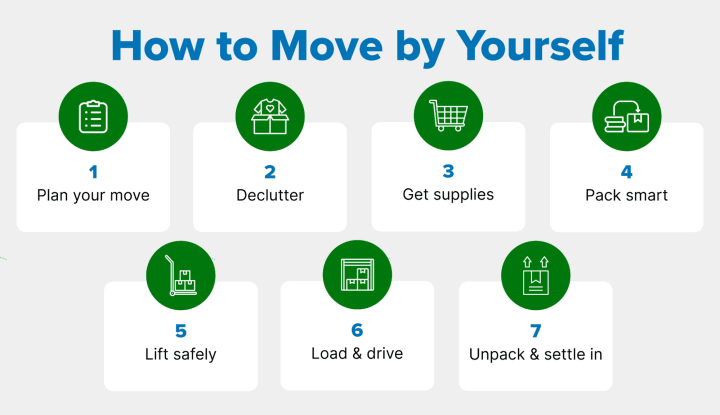
If you’re moving by yourself, you’re responsible for everything from packing your belongings in the rental truck to unloading and getting things set up at your new place. Fortunately, moving alone doesn’t have to be overwhelming. Following a step-by-step process and using some clever packing tips can help you streamline your move and eliminate the hassle of moving by yourself.
Check out this guide to learn how to move by yourself without all the stress, so you can focus on enjoying your new home.
- Step 1: Plan for Your DIY Move
- Step 2: Declutter Your Belongings
- Step 3: Gather the Right Solo Moving Supplies and Equipment
- Step 4: Pack Strategically for Your One-Person Move
- Step 5: Handle and Lift Heavy Items Safely
- Step 6: Load and Drive the Rental Truck
- Step 7: Unpack and Settle Into Your New Space
- Common Mistakes to Avoid When Moving by Yourself
- Tips for Moving by Yourself
- Frequently Asked Questions
- Ensuring a Safe and Efficient Solo Move
Step 1: Plan for Your DIY Move
Planning ahead is one of the best tips for moving yourself. Create a checklist of moving essentials that includes everything you need to do to complete the move. This can include steps like decluttering and packing non-essentials, changing your address and transferring your utilities, and cleaning your old place before you leave.
It’s also smart to book any moving trucks or storage units you’re going to use ahead of time. Reserving early ensures you’ll have a truck or storage unit available to rent when it’s time to move.
Step 2: Declutter Your Belongings
If you’re planning to move soon, now is the perfect time to declutter your belongings. Decluttering before you move makes it easier to pack, plus it limits the amount of clutter in your new home. The easiest way to declutter is to create three separate spaces for items: keep, donate, and throw away. Here are a few tips:
- Put anything you want to take with you in the keep pile to start.
- Next, decide which items belong in the donate pile vs. the keep pile based on the condition of the item and its potential for reuse.
- Gently used clothing, small furniture, and household items like kitchenware can all be donated if the items are in good shape.
- Anything that’s not worth donating can go in the throw-away pile.
Step 3: Gather the Right Solo Moving Supplies and Equipment
Making sure you have the right materials is a key part of learning how to move by yourself. It’s your job to make sure you have everything you need for a successful move, including packing supplies and moving equipment.
Boxes are essential when it comes to moving, but that’s not all you need. Buy a pack of adhesive labels to clearly mark the contents of each box, and make sure you have bubble wrap and other protective packing materials for fragile items. Consider specialized boxes and packing materials for expensive items like TVs, PCs, and computer monitors.
You also need to make sure you have everything you need to move heavy items, such as your fridge or couch, since you’re going to move it yourself. Furniture dollies, sliders, and lifting straps can help you move large, heavy items more safely. A hand truck can also be a good investment, and you can rent one with most rental trucks.
Step 4: Pack Strategically for Your One-Person Move
Moving by yourself means you must pack strategically to make your move as stress-free as possible. The basic idea here is to make sure you have everything you need the first night you move in, and eliminate the hassle of unpacking box after box to find essentials like kitchenware.
Packing each room separately makes it easier to find what you’re looking for when you’re unpacking. When you load the rental truck, organize boxes by room so it’s easier to unload everything straight to the room where it belongs.
Using small boxes for heavy items and large boxes for light items can help you manage weight. When you’re packing clothes with coat hangers, use zip ties to tie several hangers together to make them easier to manage.
Packing a first-night bag is also a pro tip that makes your move a lot easier. Your first night bag should include everything you’ll need on the first night, such as toiletries, chargers, basic tools, clothes, and some snacks. If you take any medication regularly, make sure to include it in your first night box.
Step 5: Handle and Lift Heavy Items Safely
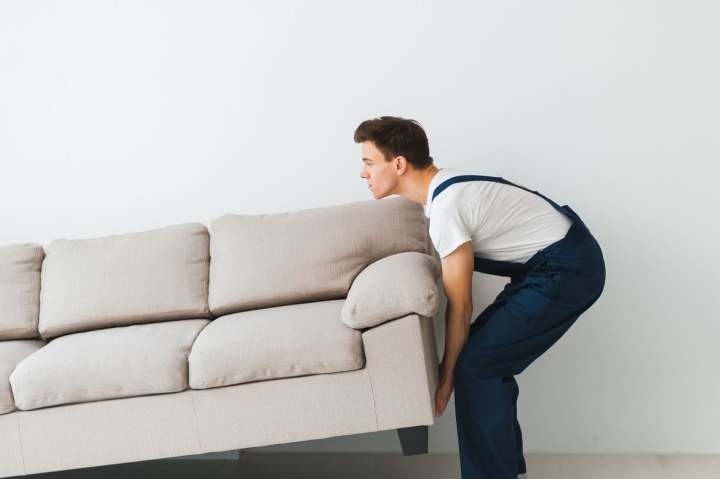
Handling heavy items can be a big challenge when you’re learning how to move by yourself. Moving a refrigerator and other large appliances or furniture can be difficult and dangerous, so focusing on safety is crucial when you’re moving by yourself.
Make sure you have the right equipment to move heavy items. Furniture dollies and hand trucks are great for large appliances like washers and dryers, refrigerators, and dishwashers. When using a dolly, it’s important to secure any items you’re moving with straps to prevent tipping or sliding.
For heavy boxes and small furniture, avoid lifting with your back to prevent injuries. Larger furniture can be disassembled to make it easier to move, although this does add time to your move.
Step 6: Load and Drive the Rental Truck
Once you’ve got everything packed in boxes and you know how to handle heavy items safely, it’s time to load the rental truck. Start by pulling out the ramp and making sure it’s securely in place before rolling any heavy items up it.
When loading the truck, group boxes together by room to make it easier to unload. Avoid stacking boxes too high to protect your belongings, but feel free to stack a few boxes if necessary.
Use ratchet straps to secure the load so nothing shifts or falls while you’re driving. Once everything is loaded and secured, you can hit the road.
Step 7: Unpack and Settle Into Your New Space
When you’re unpacking boxes, focus on unpacking the items you need first. For most people, this means starting with kitchen and bathroom items. You can unpack your bedding and other bedroom essentials on the first night, or you can wait until the next day if you’re not feeling up to it.
While unpacking, take some time to make sure you’re setting up your new space in an organized manner. Think about where you want to store your utensils, pots and pans, and kitchenware in the kitchen. If you have any extra closet space in the hallway or entryway, you can use that space to store seasonal items you don’t need right now.
Common Mistakes to Avoid When Moving by Yourself
Moving by yourself is a lot of work, but you can make your move easier by avoiding these common mistakes:
- Not decluttering. It’s best to declutter before you move so you’re not bringing things you don’t need into your new space. If you don’t declutter, you’ll have a lot more to unpack and a lot less space in your new home.
- Procrastination. It can be hard to find the energy to pack and plan, but procrastinating only makes your life more difficult when moving day arrives.
- Poor planning. Underestimating time, effort, or rental truck availability can put unnecessary pressure on you during your solo move.
- Not measuring. Measuring your furniture is an important step in making sure it fits in your new space.
Tips for Moving by Yourself
Whether you’re moving states or moving a few miles away, here are some tips that can help you ease the burden of moving by yourself:
- Know your limits. Don’t push yourself too hard when you’re moving by yourself. Know your limits and plan accordingly.
- Take breaks. Whether you’re loading or unloading the truck or unpacking at your new place, take breaks every now and then to relax and relieve stress.
- Focus on essentials. Focus on the essentials first, especially when unpacking. It’s alright to spend a few days or a week slowly unpacking and getting your new place set up.
Frequently Asked Questions
How long does it take to move by yourself?
Moving by yourself typically only takes a day or two once you’ve got a plan in place, but it depends on how far you’re moving and how much stuff you have. Out-of-state moves and larger moves can take anywhere from a few days to a week or two.
Should I move by myself or hire professional movers?
If you feel comfortable moving by yourself, you can save a lot of money doing everything on your own. If you have some spare money and want to save yourself the stress of moving, hiring professional movers is a great idea.
How does the cost of moving alone compare to hiring a full-service moving company?
Moving alone is significantly cheaper than hiring a full-service moving company, with a couple of hours of full-service moving exceeding the cost of moving by yourself.
Ensuring a Safe and Efficient Solo Move
Moving by yourself doesn’t have to be stress-inducing. With some elbow grease and clever tips, you can save a lot of money moving on your own.
If you need a storage unit for your belongings between moves, Storage Hub can help. Contact us or use our online search to find a Storage Hub location near you.
